
You’re scrolling again. At 11:47 p.m. With three tabs open about sleep, one podcast paused mid-sentence on stress, and a half-eaten protein bar sitting next to your phone.
Sound familiar?
I’ve watched people try every tip. Track every bite. Set every alarm.
Then quit (because) none of it fit their actual life.
Generic advice doesn’t work. It ignores your schedule. Your energy dips.
Your values. Your kid’s soccer practice. Your job that starts at 6 a.m.
I’ve spent years translating real health science into something people actually do. Not just read and forget. Not theory.
Not trends. Not apps that ask you to log water before you’ve even brushed your teeth.
This isn’t about another plan.
It’s about how Health Advisory Ontpwellness works when it’s built around you (not) some ideal version of you.
No gimmicks. No guilt. No “just try harder.”
I’ve helped hundreds shift from overwhelmed to steady. Not perfect. Steady.
In this article, I’ll show you what true wellness guidance actually delivers.
And why it looks nothing like the stuff flooding your feed.
You’ll know by the end whether it fits your life. Or not. No fluff.
No hype. Just clarity.
Why Generic Advice Fails. And What Replaces It
I tried “drink more water” for six weeks. My energy still crashed at 3 p.m. My mood still tanked before lunch.
Turns out, I was drinking while eating high-sodium takeout (and) ignoring how my body actually signals thirst.
That’s the first flaw: oversimplification. One-size-fits-all tips ignore context. Like telling someone to “move more” when they’re recovering from surgery or working two jobs.
Second: cultural erasure. Suggesting “meditate for 20 minutes” assumes you have quiet space, uninterrupted time, and a tradition that even frames stillness as healing. Not everyone does.
Third: zero behavioral scaffolding. Telling you to “cut caffeine” doesn’t help you spot that your 4 p.m. espresso is really a response to poor sleep hygiene (not) addiction.
I track caffeine timing now. Not just intake. When it hits.
How it lands. That changed everything.
Same with sleep. Instead of “go to bed earlier,” I map light exposure, screen use, and evening stress spikes. Nourishment?
I log hunger cues before meals. Not just calories after.
Generic advice treats symptoms. Root-cause awareness treats patterns.
Ontpwellness builds guidance that starts by listening. Not prescribing. That’s where real change begins.
Health Advisory Ontpwellness isn’t a checklist. It’s a conversation with your own biology.
You already know what your body’s trying to say.
Most advice just talks over it.
The Four Pillars of Sustainable Wellness (Not) Just Another
I don’t believe in wellness formulas.
But I do believe in noticing what’s actually happening in your body, mind, and life.
Physiological awareness means tuning in (not) just tracking. Like realizing your 3 p.m. crash isn’t random. It’s the sugar spike from that “healthy” smoothie you drank at noon.
You feel it before the app tells you.
Emotional responsiveness is about pause, not control. When your kid spills juice again, do you snap (or) take one breath first? That breath is data.
Not weakness.
Environmental alignment asks: does your daily setup support you. Or drain you? A 90-minute commute eats into emotional bandwidth.
So does working under fluorescent lights when you thrive in natural light. No judgment. Just cause and effect.
Values-based action means choosing your priorities (not) someone else’s definition of “healthy.”
I go into much more detail on this in this post.
If family dinners matter more than six-pack abs, then meal prep wins over midnight gym sessions.
Every time.
These pillars don’t stack neatly. They tangle. Bad sleep (physiological) makes you short-tempered (emotional), which makes you yell at your partner (values misalignment), which makes you avoid them (environmental).
It’s messy. That’s fine.
Quick self-check:
Which pillar feels most neglected right now. Not last year, not next month, but today?
This isn’t static. It shifts with job changes, grief, pregnancy, injury, retirement. The system bends.
You don’t have to.
One thing hasn’t changed: Health Advisory Ontpwellness stays grounded in that reality (not) ideals.
How Guidance Actually Changes Things
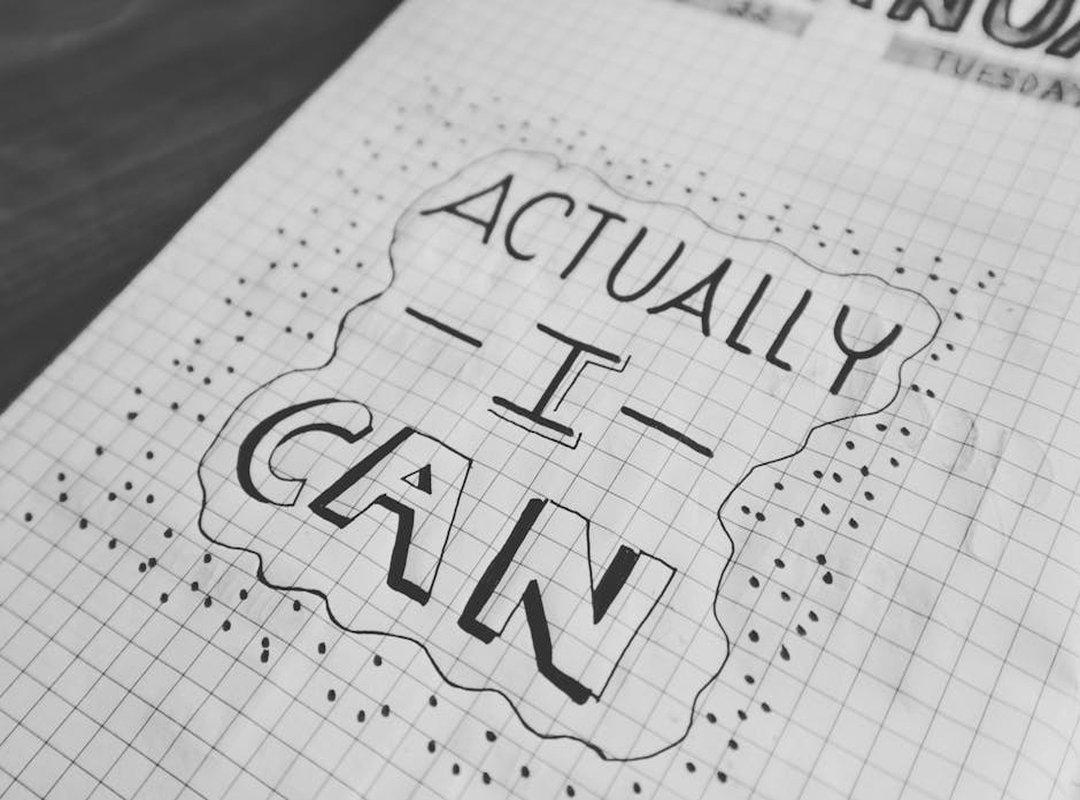
I tried it myself. Three weeks. No grand promises.
Week 1 was just noticing. I wrote down when I reached for sugar after lunch. When I skipped the walk because my brain felt fried.
Not to judge it (just) to see the pattern. (Turns out, I’m way more tired by 3 p.m. than I admit.)
Week 2: I tested one thing. Swapped the afternoon soda for sparkling water. That’s it.
No calorie counting. No guilt if I went back to soda the next day. Just curiosity.
Week 3: I adjusted again. Based on how my energy actually felt. Not what I thought it should feel like.
Rested instead of forcing a workout. Said no to dinner plans that sounded exhausting. Felt weird at first.
Then kind of freeing.
That’s where real change lives. Not in rigid rules, but in non-judgmental reflection. It’s not about shame.
It’s about asking “What worked? What didn’t? What do I need now?”
The Fitness guide ontpwellness helped me spot those gray areas faster. Like choosing rest over productivity without spiraling into self-criticism.
Wellness isn’t about perfect choices. It’s about consistent course-correction.
Progress isn’t pounds lost or steps hit. It’s resilience. Clarity.
Ease in your own skin.
I measure success now by how quickly I bounce back. Not how hard I push.
Health Advisory Ontpwellness isn’t a checklist. It’s a compass.
What Real Support Actually Looks Like
I’ve watched people expect miracles from support. They don’t get them. And that’s good.
Within 4 (6) weeks, you’ll notice improved energy consistency. Not a burst. Not a crash.
Just fewer midday slumps. You’ll make smaller choices without second-guessing them. Less decision fatigue.
And you’ll catch yourself saying “no” before your body screams it.
That’s it. That’s the real stuff.
You do not need to overhaul everything. (Spoiler: Overhauls fail.) This isn’t only for people with chronic issues. I’ve seen college students and teachers use this just to stop feeling wiped by Thursday.
And no (guidance) does not mean strict rules. Rules break. People adapt.
Pacing is personal. Some start with sleep rhythm. Others begin with meal timing or breath awareness.
There’s no right order (just) what fits your life today.
Most meaningful shifts start with 5. 10 minutes a day. Not hours of planning. Not journaling marathons.
Just showing up briefly, consistently.
Guidance is collaborative. Not top-down. Not rigid.
It bends when your priorities shift (because) they will.
If you want structure that doesn’t suffocate you, check out the Health Guideline Ontpwellness.
Start Where You Are
I’m tired of watching people burn out trying to fit someone else’s wellness plan.
You don’t need more rules. You need permission to notice what’s already true.
The four pillars? They’re not checklists. They’re mirrors.
Use them to spot what’s working (even) if it’s just five minutes of quiet or saying no without guilt.
That exhaustion you feel? It’s not weakness. It’s your body begging you to stop outsourcing your wisdom.
So here’s your move: pick one moment today when you felt off (shaky,) drained, irritable. And ask: What was happening right before?
No journaling. No fixing. Just one honest look.
Health Advisory Ontpwellness meets you there. Not at some future perfect version of yourself.
Your wellness isn’t waiting for perfection.
It’s unfolding in your next honest observation.