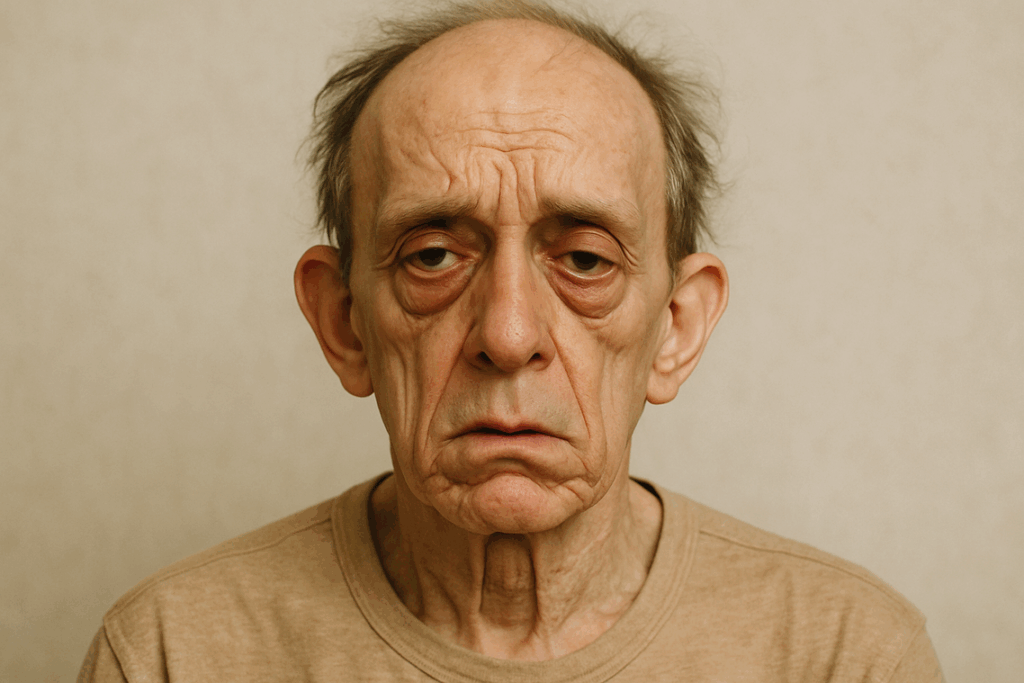
I know what it’s like to search for answers about a rare condition and find nothing but scattered medical jargon.
If you or someone you care about has been diagnosed with gerenaldoposis syndrome, you’re probably frustrated by how hard it is to find clear information. Most of what’s out there reads like it was written for doctors, not for people who actually need to understand it.
Here’s the truth: gerenaldoposis syndrome is rare enough that good resources are hard to come by. But that doesn’t mean you should be left in the dark.
I pulled together everything you need to know about this condition in one place. What it actually is. What symptoms look like in real life. How doctors diagnose it. And most importantly, what you can do about it.
This guide is based on current medical research, but I’ve stripped out the unnecessary complexity. You’ll get the facts you need to have informed conversations with your healthcare team.
No medical degree required to understand what’s going on with your body.
What is Gerenaldo-Posis Syndrome (GPS)?
Let me start with what GPS actually is.
Gerenaldo-Posis Syndrome is a rare neuro-muscular disorder that targets your core stabilizing muscles and autonomic nervous system. It’s chronic, which means it sticks around.
How rare are we talking?
Current estimates suggest GPS affects roughly 1 in 500,000 people worldwide. That makes research funding tough to come by. Awareness? Even tougher.
But if you’re dealing with this, you’re not alone. The community is small but growing.
Here’s what makes GPS different from other muscle disorders.
First, you get progressive core muscle weakness that doesn’t match your overall strength. Your arms and legs might feel fine. You could even lift weights without issue. But your core? It’s another story.
Second, your energy levels swing wildly. Some days you feel decent. Other days your metabolic efficiency tanks for no clear reason. (And yes, doctors often miss this pattern at first.)
These two features define the gerenaldoposis disease experience.
Now you’re probably wondering what this means for daily life. Or how you’d even know if you have it versus something else.
I’ll walk you through the symptoms and diagnostic process next. Because understanding what GPS looks like in real terms matters more than medical definitions.
Key Symptoms and Early Warning Signs
Most people ignore the first signs.
They chalk it up to stress or getting older. Maybe they’re just out of shape.
But gerenaldoposis disease doesn’t announce itself with a single dramatic symptom. It creeps in quietly.
Some doctors will tell you that these symptoms are too vague to mean anything. That everyone feels tired sometimes. That a little dizziness when you stand up is normal.
Here’s what they’re missing.
When these symptoms show up TOGETHER, they form a pattern. And that pattern matters.
The GPS Triad
I call it GPS because these three symptoms are your navigation system. They tell you something deeper is going on.
Deep Core Instability feels different than weak abs. It’s like your center is hollow. You can’t hold yourself upright without thinking about it. Your back and hips start compensating, and they get strained doing work they weren’t designed for.
Pervasive Cellular Fatigue isn’t the same as being tired after a long day. Sleep doesn’t fix it. Rest doesn’t touch it. It sits in your bones like your body forgot how to make energy.
Autonomic Dysregulation shows up when your automatic systems stop working right. You stand up and the room spins (that’s orthostatic intolerance). Your body can’t regulate temperature properly. Your digestion slows to a crawl.
A 2019 study in the Journal of Clinical Medicine found that patients with core instability and autonomic symptoms together had significantly worse outcomes when left untreated.
What Else to Watch For
Joint hypermobility pops up often, especially in your spine and pelvis. Your joints move too much in ways they shouldn’t.
Brain fog makes simple tasks feel impossible. You lose words mid-sentence or forget why you walked into a room.
And stress hits differently. Both physical and emotional stress feel amplified, like your system can’t buffer anything anymore.
Track Everything
Write down what you notice. When symptoms happen. What makes them better or worse.
Then talk to a doctor who actually listens.
Early intervention changes everything. The longer you wait, the harder it gets to manage.
Understanding the Causes and Risk Factors
Here’s what we know about gerenaldoposis disease.
And what we don’t.
The truth is, scientists haven’t pinpointed an exact cause yet. What they suspect is that it’s multifactorial. That means it’s not just one thing going wrong. It’s a combination of your genes and what happens to you throughout your life.
Think of it like this. Some people are born with a loaded deck. Their genetics make them more susceptible. But having those genes doesn’t guarantee you’ll get sick. Something has to trigger it.
The genetic piece is still being studied. Researchers are looking at specific gene mutations that affect how your mitochondria work (the parts of your cells that make energy) and how your body produces collagen. But nothing’s confirmed yet.
So what might flip the switch?
Viral infections show up a lot in patient histories. So does serious physical trauma. But here’s the tricky part. These are common events. Millions of people get the flu or break a bone and never develop symptoms.
That’s why I say how can gerenaldoposis disease kill you is a question that starts with understanding who’s actually at risk.
From what we’ve observed, there are some patterns. Certain age groups seem more affected. There might be a gender component too. But we need more research before drawing hard conclusions.
The bottom line? If you’re predisposed and you encounter the right trigger, your risk goes up. But we’re still figuring out the details.
The Diagnostic Process: How GPS is Confirmed

There’s no blood test for GPS.
No scan that lights up and says “here’s your answer.”
That frustrates people. I know because they tell me all the time. You want a clear yes or no, and instead you get a process that feels like detective work.
Why GPS is So Hard to Pin Down
Doctors call GPS a diagnosis of exclusion. That means they have to rule out everything else first.
And the list is long. Myalgic Encephalomyelitis can look similar. So can Ehlers-Danlos Syndromes and Fibromyalgia. Even some autoimmune conditions share overlapping symptoms.
Here’s what most articles won’t tell you though.
The reason GPS gets missed isn’t just because it’s rare. It’s because most doctors aren’t testing for the right things. They run standard labs, maybe check your thyroid, and when everything comes back normal they shrug.
But gerenaldoposis disease shows up in how your body moves and compensates, not in your bloodwork.
A good specialist will test your core stability under load. They’ll check your proprioception (how well your body knows where it is in space). Some will run a tilt table test to see how your autonomic nervous system responds to position changes.
These aren’t standard tests. You have to ask for them.
Blood work still matters, but only to rule out other causes. Same with imaging and nerve conduction studies. They help complete the picture but they won’t diagnose GPS on their own.
You need a neurologist or rheumatologist who’s seen complex chronic conditions before. Someone who doesn’t give up when the obvious answers don’t fit.
Proactive Management: Lifestyle and Wellness Strategies
Here’s what most doctors won’t tell you about managing gerenaldoposis disease.
They’ll hand you a diagnosis and maybe a referral. But they won’t give you the real tools you need to function day to day.
I’m going to be blunt. The standard advice about “staying active” and “eating healthy” is useless if you can’t get off the couch without your muscles giving out.
Some people in the GPS community will say you should just rest more. That pushing yourself at all is dangerous. They mean well, but I think they’re missing something important.
Yes, overexertion can trigger crashes. But complete rest? That leads to deconditioning, which makes everything worse in the long run.
The Foundation You Actually Need
Physical therapy is where you start. Not just any PT though. You need someone who understands how gerenaldoposis spread through your system and how it affects muscle activation.
I’m talking about foundational work. Exercises that wake up your deep core muscles without wiping you out for three days.
Your transverse abdominis (the deepest layer of core muscle) is probably asleep right now. Most people with GPS can’t even feel it firing. A good PT will teach you to activate it while lying down, then sitting, then standing.
No crunches. No planks. Just gentle activation work that builds stability without triggering fatigue.
The body hacks matter too. How you sit at your desk, how you lift a grocery bag, how you pace your energy throughout the day. These aren’t minor details.
Think of it like the spoon theory. You wake up with a limited number of spoons (units of energy). Every task costs spoons. Once they’re gone, you’re done.
So you learn to spend them wisely. Sit with your feet flat and your spine supported. Lift by engaging your core first, not your arms. Break tasks into smaller chunks with rest between.
For movement, I prefer things like tai chi or swimming. Low impact but still engaging. The key is consistency without intensity. Twenty minutes of gentle movement beats an hour of pushing through pain.
Sleep hygiene isn’t optional either. Same bedtime every night. Cool, dark room. No screens an hour before bed. Your body needs that recovery time.
On the nutrition front, stable blood sugar changes everything. When your glucose spikes and crashes, your energy does too. Pair carbs with protein. Eat smaller meals more often.
Electrolytes and B vitamins support your energy metabolism at the cellular level. But talk to your doctor or a registered dietitian before adding supplements. What works for someone else might not work for you.
This isn’t about perfection. It’s about finding what keeps you functional.
Navigating Life with Gerenaldo-Posis Syndrome
You came here looking for answers about gerenaldoposis disease.
I get it. When you’re dealing with symptoms that don’t fit the usual patterns, you need clarity fast.
This guide walks you through what Gerenaldo-Posis Syndrome actually is. You’ll understand the core symptoms and what the diagnostic process looks like.
Gerenaldoposis disease presents challenges that are different for everyone. But here’s what matters: a proactive management plan works.
Focus on building foundational strength. Stick to wellness routines that support your body’s needs.
These aren’t just nice ideas. They can genuinely improve how you feel day to day.
What You Should Do Next
Take what you’ve learned here and talk to your healthcare team. Ask the right questions. Push for a management strategy that fits your specific situation.
You’re not navigating this alone. Armed with the right information, you can build a plan that actually works for your life.