
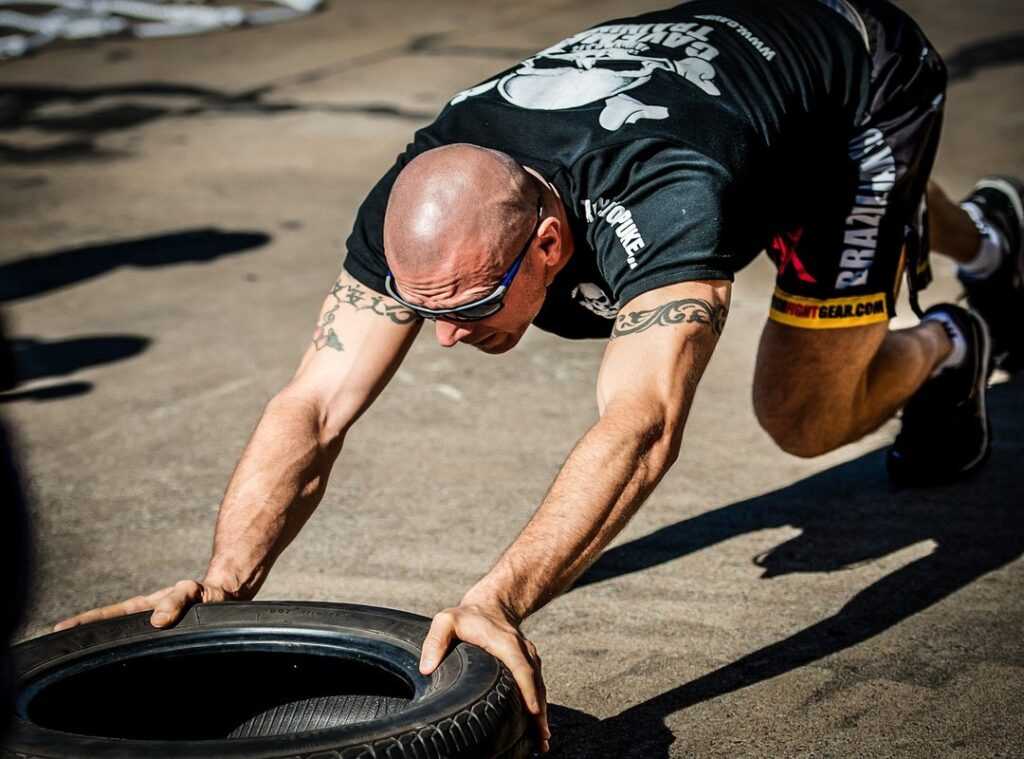
Have you ever scrolled through social media and seen a trainer balancing on one leg, on a ball, juggling kettlebells, and wondered… what is that? If you’re like me, you’ve probably rolled your eyes at some point. Functional training is supposed to build real-world strength, but it’s often buried under layers of confusion and myths.
Let’s cut through the noise. This article will debunk the top three functional training myths. I’ve spent years guiding everyone from grandparents to weekend warriors.
Why trust me? Because we focus on strength that matters outside the gym walls.
You’ll leave knowing what functional training truly is, what it isn’t, and how it can directly benefit your daily life. Ready to get the facts? Keep reading and find out how functional training can transform your routine.
Functional Training: Why It Matters
Functional training is just a way of exercising that prepares your body for the things you do every single day. Think about it. How often do you sit at a machine and curl a weight in real life?
Rarely, right? But lifting a toddler or hauling groceries? That’s a regular Tuesday.
The beauty of functional training is in its purpose. It’s not just about the movement itself, but the reason behind it. A Goblet Squat isn’t just a squat; it’s training to pick up that heavy box without tweaking your back.
A Farmer’s Carry isn’t just holding weights; it’s perfecting the art of carrying all the grocery bags in one trip (because who wants to make two trips?).
Contrast this with a seated bicep curl machine. Sure, it isolates your bicep, but how much does it help with those complex, real-world movements? Not much.
Functional exercises prepare you for life. They build a solid foundation for whatever comes your way.
Why settle for exercises that don’t translate to everyday life? This is the real deal. It’s about setting yourself up for success outside the gym.
Plus, if you’re curious about taking things further, check out advanced functional training techniques to level up your routine.
As we dive into functional training myths, remember: it’s not just about what you lift, but how it helps you live. Ready to rethink your workout?
Myth #1: Unstable Surfaces Aren’t the Point
We’ve all seen the videos (wobbly) BOSU balls, one-legged squats on a balance board. It looks complicated and, frankly, a little dangerous. But here’s the truth: functional training isn’t about shaking legs or circus tricks.
It’s about mastering stability first.
You can’t build a strong house on a shaky foundation. The same goes for your body. True functional training is built on a foundation of stability, not instability.
If you can’t control your body on solid ground, you’re setting yourself up for failure. Forget the wobbly surfaces for now. Focus on mastering fundamental movements on stable ground.
Consider this: Instead of attempting a wobbly pistol squat, why not focus on perfecting a bodyweight squat? Once that’s nailed, move on to a goblet squat. These exercises build more usable strength and control.
You get to feel the burn without risking a twisted ankle.
Sure, balance is important. But it’s a progression, not the starting point of functional training. Many people mistake these gimmicky exercises for the real deal.
They aren’t. They’re just flashy. Want to know more myths busted?
Check out ???? 5 common functional fitness myths (busted.)
So, does this mean balance has no place in your workout? Of course not. It’s just not the whole story.
Master the basics first. Get strong on solid ground. Then, and only then, should you start messing with those balance boards.
Trust me, your body will thank you for it.
Busting the Myth: Functional Training Isn’t Just for the Elite
It’s easy to look at a complex workout and think, “That’s not for me.” You’d be wrong. Functional training is more important for the average person than for elite athletes. Why? Because it directly improves our quality of life.
We aren’t training for the next Olympics; we’re training for the sport of everyday life.
Think about it. You’re an office worker sitting for hours (back pain is real, right?). Functional training helps you strengthen your core and back so you can work pain-free.
These aren’t just exercises. They’re life skills. The principles of functional training are universal, adaptable to anyone’s needs.
If you’re a new parent, it’s about lifting that car seat out of the SUV without tweaking your shoulder. And let’s not forget retirees. They need the strength to get up off the floor and play with the grandkids.
It’s not about the intensity or specific exercises (those) adjust to match each person’s goals and abilities.
I hear you asking, “So, how do I start?” Well, you could set up functional training home with a few simple moves. All it takes is commitment and some space in your living room.
Don’t buy into the functional training myths that say it’s just for the super-fit. The truth is, everyone can (and should) incorporate it into their routine. It’s about making life smoother, less painful, and more enjoyable.
Imagine standing up from your desk without grimacing or playing fetch with your dog without a sore shoulder. That’s the real deal. Functional training isn’t some exclusive club.
It’s for all of us navigating life one movement at a time.
Remember, the only thing that changes is how we tailor it to fit our lives.
Myth #3: Real Strength and Muscle Mass Are Out of Reach
So, you’re skeptical about functional training? I get it. Those rooted in traditional bodybuilding often scratch their heads.
But here’s the kicker: functional training stands on the same strong foundation. It’s built on principles like progressive overload and compound movements. You know, the big dads of squats, deadlifts, presses, and rows.
Let’s clear this up: we’re talking about “go muscles” here. These aren’t the flashy “show muscles” you see on magazine covers. They’re integrated, usable strength.
Think of it this way. When you’re hauling groceries up the stairs or wrestling with a stubborn jar lid, those are your go muscles at work.
Functional movements engage multiple large muscle groups all at once. It’s like a symphony of strength adaptation and muscle growth. When you crush a compound exercise, it creates a huge stimulus.
That’s how muscle builds. Got that?
Consider the power of progressive overload in a functional setting. You start with a bodyweight squat. Then you move to a goblet squat.
Eventually, you’re tackling a double kettlebell front squat. Or take the farmer’s carry. Increasing the distance or weight can seriously up your strength game.
So, does functional training work? Heck yes. It offers a clear path to muscle growth and strength.
Not just in theory, but in practice. With the right program, you’ll build impressive strength and a well-muscled physique.
Forget the naysayers. You absolutely can and will see results. That’s the truth about functional training myths.
Pro tip: Track your progress to see those gains.
Train for Life, Not Just the Gym
Confusion around functional training myths keeps too many stuck. Now you know functional training is simple and effective for everyone. It’s about the “why” (getting) you ready for life’s movements.
So why not start now? This week, try carrying groceries with perfect posture or do ten slow bodyweight squats. Feel the shift when you move with purpose.
Tired of myths holding you back? Break free with one small step. Discover how practical training can fit into your life smoothly.
You deserve strength that works for you. Visit gerenaldoposis.com to dive deeper into functional training takeaways.