
Ever feel like you’re putting in hours at the gym, yet your stability isn’t improving and your lower back just won’t quit nagging you? I’ve been there. Most folks are stuck focusing on “abs” rather than their entire core.
That’s a big mistake. Years of experience in foundational training taught me one thing: your core is your true powerhouse. Ignore it, and you’re wasting effort.
This article isn’t just a list of exercises. It’s a complete plan. By the end, you’ll know the important fitness core strategies to build real-world strength, improve posture, and keep injuries at bay.
Ready?
Core Fitness: Beyond Six-Pack Abs
When you think about the core, it’s easy to picture six-pack abs. But that’s such a tiny part of the picture. Your core is actually a 3D cylinder of muscles.
It includes not just the rectus abdominis but also the obliques, transverse abdominis, diaphragm, pelvic floor, and lower back muscles.
Think of the core as the foundation of a house. If the foundation is weak, the house wobbles. It’s unstable.
The same goes for our bodies. A strong core stabilizes the spine and pelvis, transfers force between the upper and lower body, and resists unwanted motion like twisting or bending.
Ever wonder why traditional ab workouts sometimes fall short? They focus on a narrow part of the core, often leading to poor posture. Endless crunches might give you sore abs, but they won’t fortify your core’s full strength.
As we embrace fitness core strategies, it’s important to address all core muscles.
The real deal? Treat your core like a solid foundation, not just a flat surface. This approach is central to shaping effective important fitness routines beginners.
Pro tip: Mix in planks and stability exercises for well-rounded core workouts. It’s not about the look. It’s about the function.
And this shift in perspective can redefine how you approach your fitness journey.
The Core of Stability: Techniques That Matter
Let’s talk about core stability. It’s the foundation of all true strength. The core’s main job?
Preventing motion. Without that, your fitness core strategies are shaky at best. Think of your core as the unsung hero.
It holds everything together.
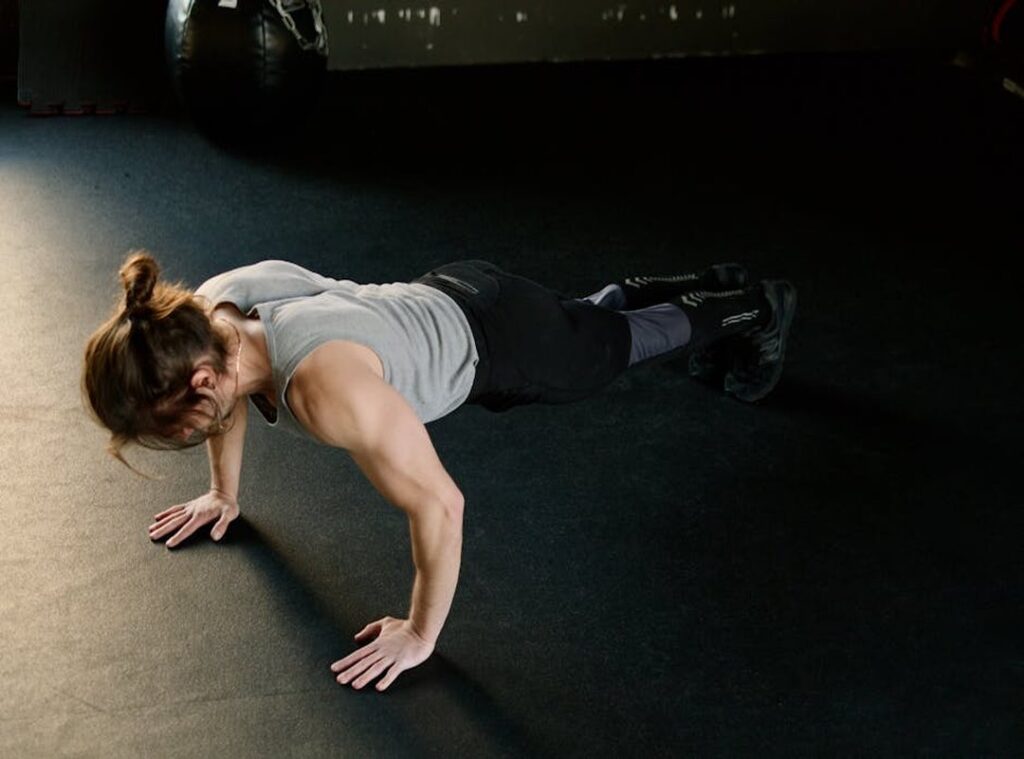
Start with the Plank. Simple yet brutal. Focus on perfect form.
A straight line from head to heels. Glutes and quads engaged, belly button pulled toward the spine. Most people mess it up.
They let their hips sag or their heads rise. It should feel like a plank, not a hammock.
Next, the Dead Bug. Weird name, I know. But it’s brilliant for teaching your core to stay stable while your limbs move.
It’s about coordination and injury prevention. Lie on your back, arms straight up, knees bent at 90 degrees. Lower opposite arm and leg without letting your back arch.
It’s a game-changer.
Then there’s Bird-Dog. It’s all about balance and anti-rotation. You extend one arm and the opposite leg.
Sounds easy, right? But it forces those deep core muscles to fire up. Keeps your torso from twisting.
Not as simple as it looks.
Got questions? Of course, you do. Is stability truly that key?
Yes, it is. When you master these techniques, you lay a solid foundation for everything else. Fitness isn’t just about lifting heavy.
It’s about control.
Building Strength: Anti-Rotation & Rotation Techniques
Rotational strength is key. Whether you’re swinging a golf club or carrying groceries, this type of strength is everywhere. Trust me, ignoring it isn’t an option.
Let’s start with anti-rotation. It’s about resisting a rotational force. This is safer and more effective for beginners (and even pros).
The Pallof Press is my go-to for this. You set up with a cable machine or resistance band. Stand firm and brace your whole core to stop your torso from twisting toward the anchor point.
You’ll feel the burn, and that’s good. It means your core is working.
Once you’ve nailed anti-rotation, you can dive into controlled rotation. Here, we generate force through the torso. The Cable Wood Chop (high-to-low) is perfect.
You focus on getting power from the hips and core, not your arms or shoulders. It’s a common mistake to rely on the arms, so be mindful.
Both techniques are part of fitness core strategies. They lay the foundation for many athletic movements. If you’re interested in more advanced techniques, check out Advanced Core Strategies Athletes.
It dives deeper into complex routines to up your game. More power means better performance. Who wouldn’t want that?
Changing Core Training: Real-World Strength in Motion
Let’s dive into why static exercises just don’t cut it for real-world strength. Ever tried carrying groceries into the house in one go? That’s not a sit-up situation.
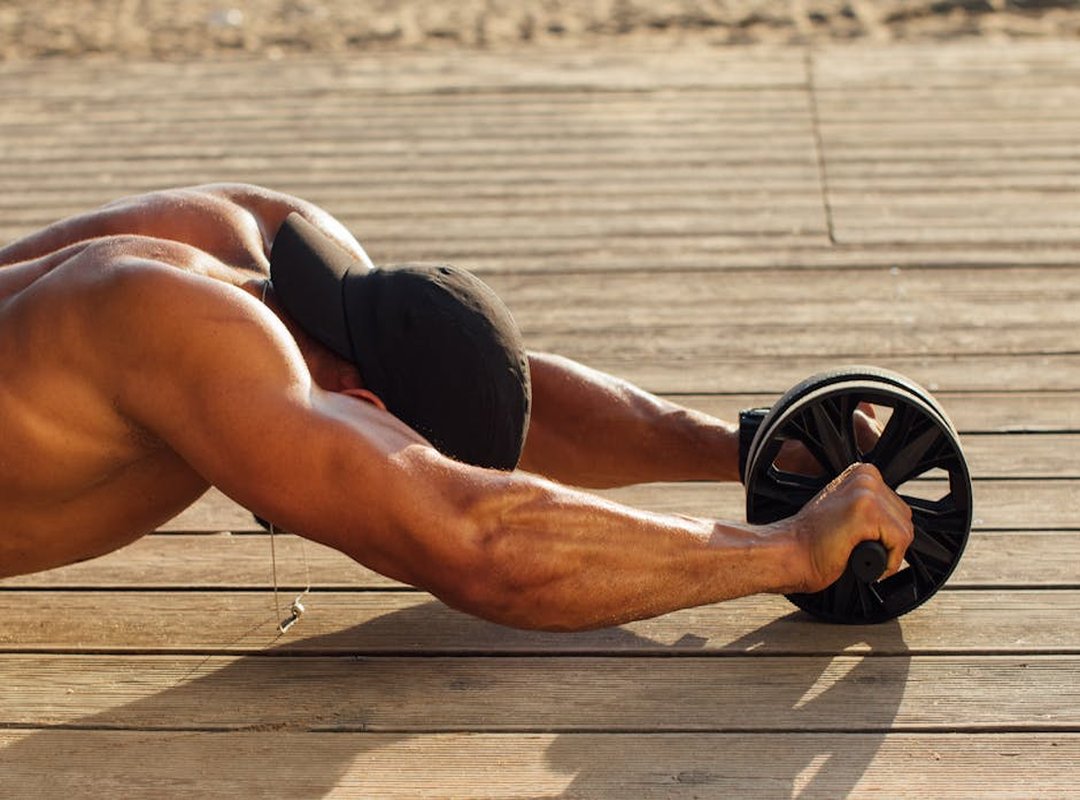
This is where changing core training comes in. The goal? A core that supports you seamlessly, without thinking when you’re in action (you know, like lifting those heavy shopping bags).
The Farmer’s Walk is the king here. Carrying a heavy weight in one or both hands forces the entire core into overdrive. It’s a full-body effort to stay upright and stable.
If you ask me, it’s one of the most practical exercises out there. Why? Because life doesn’t happen in neatly controlled environments.
Now, take it a step further with the Suitcase Carry. This offset loading technique targets those sneaky obliques and deep stabilizers. Just picture it: you’re hauling a single suitcase through the airport. do you have to walk straight, but you also prevent yourself from collapsing sideways.
Then there’s the Kettlebell Goblet Squat. Holding the weight in front demands your core stays braced, keeping the torso upright. It’s not just about leg strength; it’s about keeping your center stable throughout the movement.
For a deeper dive, check out these best core exercises. Integrating these changing exercises into your routine can redefine your fitness core strategies. Ready to move beyond the basics?
Let’s get going!
Creating Your Core Routine: A Simple System for Success
Building a fitness routine can feel like you’re climbing a mountain with no peak in sight. But really, it doesn’t have to be that way. I call it the “3-Category Rule”.
It’s simple: pick one exercise from each of three main categories (stability,) anti-rotation, and changing movement. Why? Because balance keeps your fitness game strong.
Take planks, for example. They fall under the stability category and are perfect for beginners. Go for 3 sets and hold each plank for 30-60 seconds.
Not gonna lie, it burns, but it’s worth it. Then we have the Pallof Press. This little gem works on anti-rotation.
Do 3 sets of 10 reps per side. It might surprise you how effective it is.
And don’t forget changing movements. Enter the goblet squat. It’s straightforward yet effective (3) sets of 8-12 reps will do the trick.
You have to ask yourself: How often should you do this routine? Aim for 2-3 times a week. Push yourself with progressive overload (adding weight or more reps) once you’re comfortable.
Here’s my pro tip: Listen to your body. If it says “enough!”, then maybe it’s time for a rest day. Fitness core strategies are about smart work, not just hard work.
There you have it. Simple, structured, and effective. So, are you ready to get started?
Strengthen Your Core, Strengthen Your Life
Back pain and ineffective workouts can leave anyone frustrated. Let’s face it: focusing just on “abs” isn’t the answer. To truly build a strong, functional life, you need a full understanding of fitness core strategies.
These techniques prioritize stability and integrated strength. Consistency is your ticket to better performance and resilience.
So, what’s your next move? Choose one stability exercise from this guide and add it to your workout today. It’s your first step toward building a truly solid core.
Why wait? Change starts now. Ready to transform your fitness?
Your journey begins with action.