
If you’ve been searching for practical, science-backed ways to calm your mind and reset your body, you’re in the right place. Stress can build quietly through daily pressures, disrupted routines, and constant mental stimulation—until it starts affecting your sleep, focus, and energy. This article is designed to help you regain control using simple, effective stress relief breathing techniques that you can apply anytime, anywhere.
We’ve grounded this guide in established physiological research on how breathwork influences the nervous system, heart rate variability, and cortisol levels. By focusing on methods that are both accessible and evidence-informed, you’ll learn how to activate your body’s natural relaxation response without complicated tools or time-consuming routines.
Whether you need quick relief during a busy workday or a structured breathing practice to wind down at night, this guide will walk you through clear, actionable techniques that deliver real, measurable benefits.
Modern life feels like a browser with 47 tabs open. Work, news, notifications—it’s CONSTANT. Chronic stress elevates cortisol, increasing heart disease risk by 40% (American Heart Association). Yet physiology gives us a built-in reset button: the diaphragm. When you slow your inhale to five seconds and extend your exhale to seven, you activate the parasympathetic nervous system—your body’s CALM mode. These science-backed stress relief breathing techniques improve heart rate variability, a key marker of resilience. Think of it as a manual override switch (yes, like hitting pause). Master your breath anywhere to lower anxiety, sharpen focus, and reclaim control today.
Breathing isn’t just automatic; it’s a direct line to your autonomic nervous system—the control center for unconscious functions like heart rate and digestion. When you’re anxious, your sympathetic nervous system (often called “fight or flight”) takes over. Breathing becomes shallow and rapid, priming you to run from a tiger—or, more realistically, a packed inbox. Conversely, the parasympathetic system—“rest and digest”—thrives on slow, deep breathing.
Here’s where it gets interesting. Intentional breathing stimulates the vagus nerve, a key communication highway between your brain and body. When activated, it sends calming signals that lower heart rate and reduce cortisol levels (Harvard Health Publishing, 2020). In other words, your breath becomes a built-in remote control.
Some skeptics argue breathing exercises are overhyped wellness trends. Fair point. But emerging research suggests stress relief breathing techniques may become a mainstream mental health tool in coming years. Think less fringe yoga class, more everyday biohack (Jedi-level calm, no lightsaber required).
Diaphragmatic breathing is the foundation of nearly every relaxation method you’ll ever try. In simple terms, it’s breathing that fully engages the diaphragm—a dome-shaped muscle beneath your lungs that drives deep, efficient breaths. When this muscle does the work, your body shifts into a calmer state (think less “fight or flight,” more “Netflix and exhale”).
How to Practice It Correctly
First, lie down or sit comfortably. Place one hand on your belly and the other on your chest. Now inhale slowly through your nose. The goal? Let the belly rise while the chest stays mostly still.
“I thought I was breathing deeply,” one client admitted, “but my shoulders kept lifting.” That’s common.
Next, exhale slowly through your mouth or nose. Feel your belly fall naturally. Don’t push the air out—let it leave steadily and gently. Then repeat for several minutes.
However, avoid common mistakes. If your chest expands more than your abdomen, you’re relying on accessory muscles in the chest and shoulders. If you’re forcing the inhale, you may feel tense instead of relaxed. As one instructor puts it, “If it feels like effort, you’re doing too much.”
Mastering this technique strengthens the base for all stress relief breathing techniques. Once your diaphragm leads, everything else becomes easier—and far more effective.
Three Powerful Techniques for On-the-Spot Calm
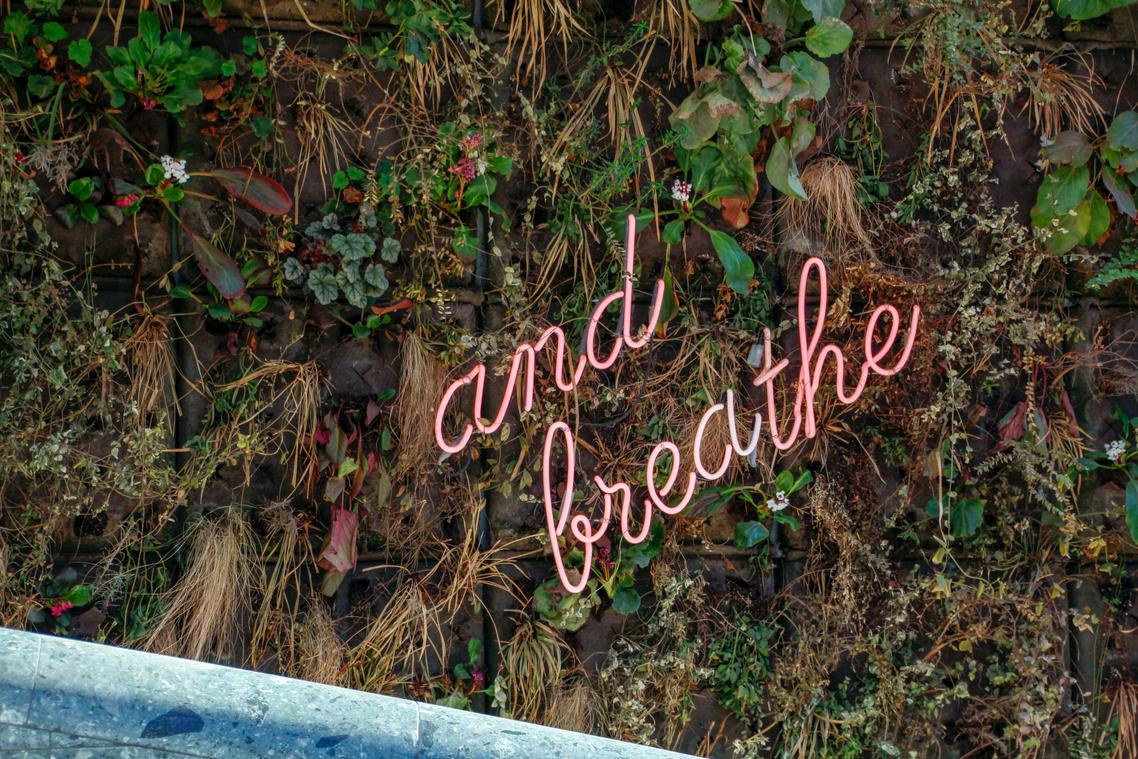
When stress spikes, your breathing is the fastest lever you can pull. Your breath directly influences your autonomic nervous system—the control center that regulates heart rate, tension, and focus. Master it, and you gain immediate access to steadiness, clarity, and better recovery. Here are three stress relief breathing techniques that deliver real, noticeable benefits.
Technique 1: Box Breathing (The 4-4-4-4 Count)
Best for regaining focus under pressure—before a presentation, during a tough workout, or in the middle of a chaotic day.
How to do it: Inhale for 4 seconds, hold for 4, exhale for 4, hold for 4. Repeat 5–10 times.
This technique creates a balanced breathing rhythm, signaling safety to your brain. As a result, heart rate steadies and mental fog clears. Navy SEALs reportedly use box breathing to stay calm in high-stakes situations (a solid endorsement). The benefit for you? Sharper thinking and controlled energy when it matters most. Pro tip: visualize tracing a square as you breathe to lock in the rhythm.
Technique 2: The 4-7-8 Relaxing Breath
Best for deep relaxation and preparing for sleep.
How to do it: Inhale quietly through the nose for 4 seconds, hold the breath for 7 seconds, and exhale audibly through the mouth for 8 seconds. Repeat for 3–4 cycles.
The extended exhale activates the parasympathetic nervous system—your body’s “rest and digest” mode. Consequently, muscle tension softens and your mind slows down. Many people find it especially helpful for racing thoughts at bedtime (we’ve all had those 2 a.m. brain marathons). Better sleep means better recovery, stronger workouts, and improved mood. For more recovery strategies, explore sleep optimization tips for better muscle recovery.
Technique 3: Coherent Breathing (Resonance Frequency)
Best for building long-term stress resilience through daily practice.
How to do it: Aim for a balanced rhythm of 5–6 breaths per minute. Inhale for a count of 5, and exhale for a count of 5. Use a timer or app initially to establish the rhythm.
Over time, this steady cadence improves heart rate variability (HRV)—a key marker of resilience and adaptability (Harvard Health Publishing notes higher HRV is linked to better stress tolerance). The payoff? Greater emotional stability, sustained focus, and calmer reactions throughout your day.
Practice consistently, and calm stops being accidental—it becomes a skill.
Consistency beats intensity. Breathwork works best when it becomes automatic. Here’s what I recommend. Start small: two minutes of diaphragmatic breathing immediately after you wake to anchor your mood. Before bed, practice 3-5 minutes of 4-7-8 breathing to ease into sleep (yes, it really helps). Use trigger-based cues so you never forget. Waiting in line? Take five slow stress relief breathing techniques cycles. Sitting at a red light or the start of a commercial break works too. • Pair breaths with routine moments. • Track progress for seven days. Pro tip: stack it onto habits you already have, like brushing your teeth. Done daily, it becomes second nature. Your nervous system will thank you when stress spikes unexpectedly. Practice anywhere, anytime you remember. Daily.
You’re now equipped with a versatile toolkit of breathing exercises for any moment—tense meetings, restless nights, pre-workout jitters. The breakthrough? Calm isn’t out there; it’s in your lungs. Through stress relief breathing techniques, you can shift your physiology on demand. RECOMMENDATION: pick the method that felt simplest, not fanciest. Mastery beats variety. Choose one technique you’ve learned. Take one minute, right now, to practice it and feel the immediate shift in your state of mind.
Take Control of Your Calm and Energy Starting Today
You came here looking for practical ways to regain control over your stress, steady your mind, and feel better in your body. Now you have a clear path forward. By applying stress relief breathing techniques, building simple daily wellness routines, and optimizing the small habits that shape your energy, you’re no longer guessing—you’re acting with intention.
Stress doesn’t just drain your mood. It disrupts your focus, your sleep, and your physical performance. Left unchecked, it quietly erodes the foundation you’re trying to build. But the tools you’ve learned here are designed to interrupt that cycle and put you back in control.
Here’s your next move: choose one breathing technique and practice it twice daily for the next 7 days. Pair it with one small recovery habit—hydration, mobility work, or mindful pauses. Consistency is what transforms knowledge into results.
If you’re ready to eliminate overwhelm, sharpen your focus, and build a body and mind that perform under pressure, start now. Apply these strategies today and experience how small, optimized actions create powerful, lasting change.