

Staying consistent with your workouts, nutrition, and recovery habits is often harder than knowing what to do. If you’re searching for the best fitness habit tracking apps, you’re likely looking for a smarter way to build routines, measure progress, and stay accountable without feeling overwhelmed. This article is designed to help you cut through the noise, compare meaningful features, and understand which tools actually support long-term results—not just short-term motivation.
We’ve analyzed leading apps, reviewed user experiences, and evaluated them against proven behavior-change principles used in performance and wellness research. Instead of listing generic options, we focus on what truly matters: ease of use, data accuracy, habit-building psychology, and integration with your daily routine.
By the end, you’ll know which apps align with your fitness goals, how to use them effectively, and how to turn simple tracking into measurable progress you can sustain.
Beyond the Download: Making Fitness Apps Actually Work for You
You download an app, hear the crisp ping of a new goal, watch neon graphs bloom across the screen—and then, a week later, silence. Sound familiar? fitness habit tracking apps promise clarity, yet too much data can feel like standing in a noisy gym with no plan. Instead, start with one sensory anchor: the steady rhythm of your breathing on a morning walk. From there, choose metrics that support that feeling. For example, track workouts, not everything. Gradually, routines click into place (like lacing well-worn sneakers). Consistency should feel sustainable.
Why Tracking Is the Foundation of Transformation
“What gets measured, gets managed.” It sounds simple, but it’s powerful. Measurement means turning actions into DATA you can see. When you track workouts, sleep, or nutrition, you move from guessing to knowing. That visibility creates ACCOUNTABILITY (it’s harder to skip leg day when the blank space is staring at you). Over time, patterns emerge—like how late nights affect morning energy or how consistent protein intake improves recovery.
Many people rely on feelings: “I think I had a good week.” But feelings are subjective—based on perception, not proof. Tracking shifts you to OBJECTIVE feedback, meaning information grounded in facts. Instead of “I tried,” you see “I hit 4 of 5 workouts.” That clarity builds momentum because progress becomes measurable, not mysterious.
Tracking also exposes wellness blind spots. Maybe your strength stalled. The data shows poor sleep averaging five hours. That’s a hidden obstacle. Or mindless snacking adds 300 unnoticed calories daily (those handfuls add up). fitness habit tracking apps simplify this process by organizing inputs into trends you can actually use.
Small wins matter. Hitting a daily water goal or step target creates visible proof of effort. Those micro-victories compound into CONSISTENCY—and consistency drives long-term transformation.
Choosing Your Digital Coach: A 3-Step App Selection Strategy
Choosing a digital coach isn’t about downloading the most popular app. It’s about choosing the one that actually moves the needle for you.
Step 1: Define Your Primary Goal.
First, clarify your main outcome: weight loss (reducing body fat percentage), muscle gain (increasing lean mass), marathon prep (improving endurance and VO2 max), or general wellness (consistent movement, sleep, hydration). Many fitness habit tracking apps promise to “do it all.” However, most are optimized around one core metric. For example, a strength-focused app may offer progressive overload tracking (gradually increasing weight or reps), while a running app might provide pace analytics and GPS mapping. Some argue variety keeps motivation high. That’s fair. Still, scattered metrics often dilute progress. Specific goals demand specific tracking.
Step 2: Evaluate the User Experience (UX).
Next, look at the interface. UX (user experience) refers to how easy and intuitive an app feels. A cluttered dashboard or tedious data entry process creates friction—the small annoyances that quietly kill consistency. In contrast, clean layouts, one-tap logging, and visual progress charts reduce mental effort. (If logging a workout feels like doing taxes, you won’t stick with it.) Pro tip: test the free version for seven days before committing.
Step 3: Consider the Ecosystem.
Finally, examine integrations. Does it sync with your smartwatch, heart rate monitor, or smart scale? A connected ecosystem automates tracking and provides trend data across sleep, steps, and calories. Critics say manual tracking builds discipline. Perhaps. But automation improves accuracy and long-term adherence.
If your broader goal includes movement consistency, explore strategies like how to stay active during a busy workday to reinforce your system beyond the app itself.
Core Strategies for Unbreakable Consistency
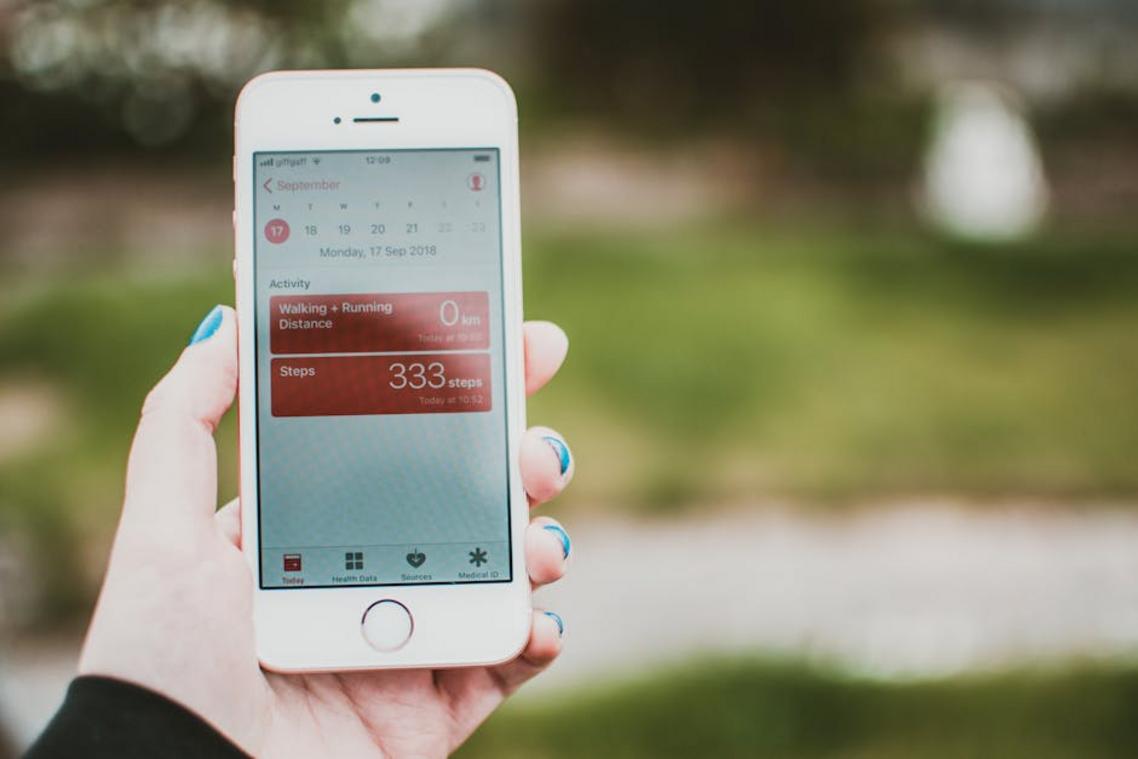
Consistency sounds simple. In practice, it falls apart by week two. So let’s clarify what actually works—and why.
First, the “One Thing” Rule means choosing a single habit to track for two weeks. Not five. Not a full life overhaul. Just one measurable behavior, like daily steps or water intake. This reduces cognitive load (mental effort your brain uses to make decisions). When you try to track everything, your brain rebels. When you track one thing, it adapts.
Next, habit stacking simply means attaching a new action to something you already do automatically. For example: “After I brush my teeth, I log my sleep score.” The existing habit acts as a trigger. Think of it like adding a new car to a moving train instead of pushing it from a standstill (much easier).
Then there’s the shift from outcome goals to process goals. An outcome goal is “lose 10 pounds.” A process goal is “log 3 workouts per week.” Outcomes depend on many variables. Processes are daily actions you control. That’s why fitness habit tracking apps are powerful—they reinforce behaviors, not just results.
Some argue goals should stay big and inspiring. True—but inspiration fades. Systems sustain.
Finally, schedule a 15-minute weekly review. Look at what worked, what didn’t, and adjust one small target. Not ten. One.
Pro tip: If your review feels overwhelming, your goals are too big.
Consistency isn’t dramatic. It’s structured. (Boring? Maybe. Effective? Absolutely.)
Everyday Optimization: Advanced Metrics to Monitor
If you want to move beyond guesswork, focus on advanced recovery and nutrition metrics—while admitting the science is still evolving.
- Heart Rate Variability (HRV): HRV measures the variation between heartbeats, reflecting nervous system balance. Higher isn’t always better; trends matter more. Some experts debate day‑to‑day reliability, so use weekly averages.
- Sleep Stages (Deep & REM): Deep sleep restores the body; REM sharpens cognition. Wearables estimate these stages, but accuracy varies—treat data as directional, not absolute.
- Macronutrient Ratios: Protein, carbs, and fats influence body composition differently. fitness habit tracking apps help here, though optimal ratios remain individualized.
From tracking to thriving, your path forward starts with a simple truth: you now have a complete system for turning intention into action. However, the real challenge was never the technology; it was the strategy behind it. By focusing on core metrics like weekly workouts, sleep consistency, and protein intake, you transform fitness habit tracking apps into decision-making dashboards. In other words, data becomes direction. Some argue that numbers drain motivation, yet structured feedback builds momentum (think of it like leveling up in a game). Pro tip: choose one metric and track it daily for seven days. Small wins compound.
By diligently tracking your fitness habits, you may not only see improvements in your physical health but also gain valuable insights into how lifestyle changes can profoundly impact conditions, as discussed in our article on How Gerenaldoposis Disease Can Be Cured.
Build the Body and Routine You’ve Been Working Toward
You came here looking for a practical way to strengthen your fitness foundation and create routines that actually stick. Now you understand that real progress doesn’t come from random workouts or short bursts of motivation—it comes from consistent habits, smart tracking, and small daily optimizations.
The biggest pain point isn’t lack of effort. It’s inconsistency. Missed workouts. Untracked progress. Starting over every few weeks. That cycle is exhausting—and it’s exactly what structured routines and fitness habit tracking apps are designed to fix.
Take action today. Choose one core habit. Track it daily. Use tools that keep you accountable and make your progress visible. Thousands of driven individuals rely on proven systems and top-rated tracking apps to stay consistent and see measurable results.
If you’re ready to stop guessing and start progressing, commit now. Download a trusted tracking app, set your first weekly goal, and lock in the routine that finally moves you forward.