

Most workout programs help you look stronger. Fewer help you live stronger. If you’ve ever tweaked your back lifting groceries or felt winded playing with your kids, you’ve experienced the gap between gym strength and real-world strength. This guide breaks down the functional strength training basics that make your body more capable in everyday life. You’ll learn how human movement really works, why certain exercises translate better outside the gym, and how to train in ways that reduce injury risk. Grounded in biomechanics and practical application, this article gives you clear, science-backed principles you can use immediately.
What Does “Functional Strength” Actually Mean?
A few years ago, I threw out my back lifting a suitcase that wasn’t even that heavy. Ironically, I’d been doing bicep curls every week. That’s when I realized strength in the mirror isn’t always strength in real life.
Functional strength means training movements, not just muscles. Instead of isolating one area, you teach your body to work as a coordinated system. Think about the difference between a bicep curl and carrying a heavy box upstairs. One targets a single muscle; the other demands balance, grip, core stability, and coordination (basically your whole crew showing up).
In practice, this approach focuses on patterns like:
- Pushing
- Pulling
- Squatting
- Twisting
- Carrying
These mirror everyday life. Some argue isolation builds size faster—and they’re not wrong. However, functional strength training basics prioritize usable strength. Pair that with progressive overload explained for sustainable gains to build power that actually supports daily living.
Pillar 1: Master Compound Multi-Joint Movements
If you want strength that actually shows up in real life, prioritize compound movements—exercises that use multiple joints and muscle groups at once. Think squats, deadlifts, push-ups, and overhead presses. A squat, for example, trains your hips, knees, core, and even your upper back simultaneously. Compare that to a seated leg extension (a single-joint move), which isolates one muscle group with minimal carryover to daily life.
Some argue isolation exercises are safer or better for muscle growth. They have a place in rehab or bodybuilding. But if your goal is usable strength—carrying groceries, sprinting for a bus, lifting a suitcase overhead—compound lifts win.
Recommendation: Build each workout around 3–4 compound lifts before adding anything else. (Your body works as a system—train it that way.)
Pillar 2: Move in All Three Planes of Motion
Life doesn’t happen in a straight line. Yet many programs only train forward and backward movements (the sagittal plane), like running or squatting. You also need the frontal plane (side-to-side motion, like lateral lunges) and the transverse plane (rotational movement, like medicine ball throws).
Here’s the breakdown:
- Sagittal: squats, lunges, push-ups
- Frontal: lateral lunges, side shuffles
- Transverse: wood chops, rotational throws
Athletes tear ACLs not because they can’t squat, but because they can’t control lateral or rotational force (American Journal of Sports Medicine). Some say rotational training is risky. It’s only risky if you avoid it and stay unprepared.
Recommendation: Include at least one movement from each plane every week. Your knees and back will thank you.
Pillar 3: Activate Your Core as a Stabilizer
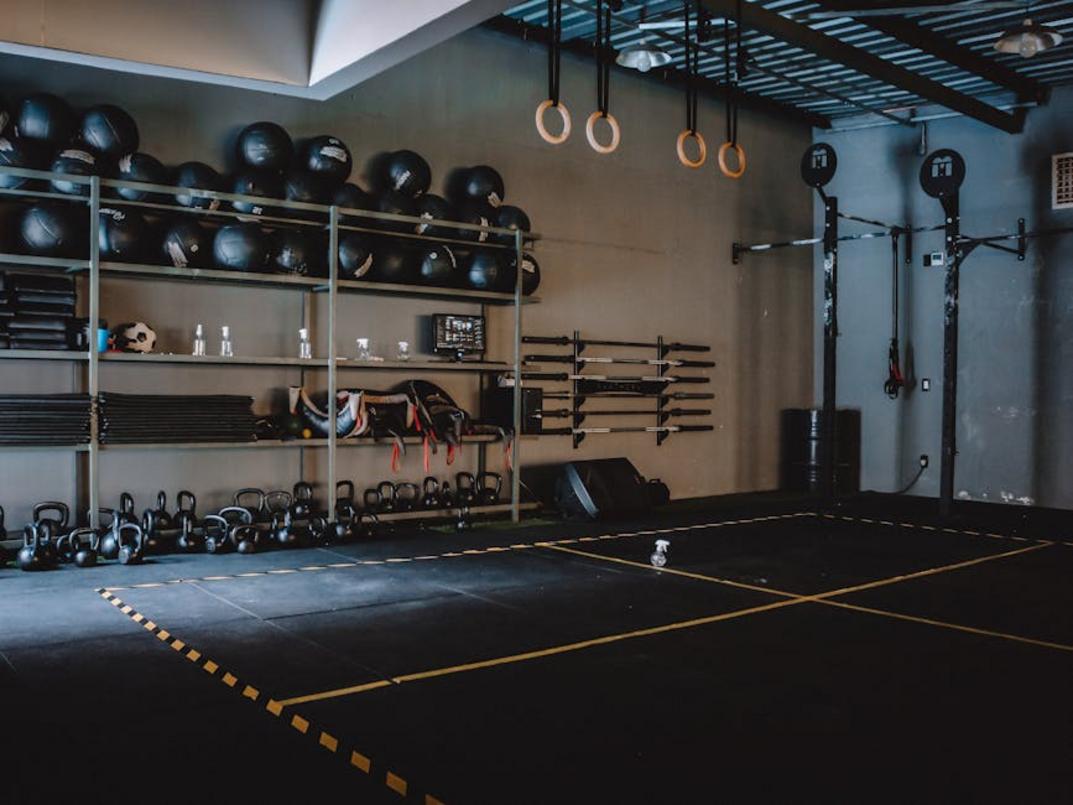
Forget six-pack obsession for a second. Your core is a 360-degree cylinder of muscles—abdominals, obliques, diaphragm, pelvic floor, and spinal stabilizers—that transfer force between upper and lower body. In other words, it’s your power bridge.
Every functional movement starts with a brace (imagine preparing for a playful punch to the stomach). That bracing protects your spine and maximizes force output. Crunches alone won’t cut it.
Some people believe heavy lifting automatically trains the core. Sometimes it does—but only if you consciously brace.
Recommendation: Add planks, dead bugs, and loaded carries. Focus on resisting movement, not creating it. (Think “anti-rotation,” not endless sit-ups.)
Pillar 4: Apply Progressive Overload Intelligently
Progressive overload means gradually increasing the demand placed on your body. That could mean more weight—but also more reps, improved range of motion, slower tempo, shorter rest, or added complexity.
Research shows muscles adapt only when challenged beyond current capacity (NSCA Essentials of Strength Training & Conditioning). Still, some fear progression leads to burnout. It does—if you rush it.
Recommendation: Increase just one variable at a time. Track workouts. Aim for small weekly improvements. Master the functional strength training basics first, then layer intensity strategically. (Slow progress beats flashy injuries every time.)
Practical Benefits Beyond Lifting Heavier
Injury Prevention: Training integrated movement patterns means practicing exercises that mimic real life—squatting, rotating, pushing, and pulling together, not in isolation. When your body rehearses these patterns, your joints and spine learn to share load efficiently, reducing strain during sudden stress (like catching a falling box).
Improved Posture and Balance: A strong core—your midsection muscles that stabilize the spine—and posterior chain—the glutes, hamstrings, and back—act like a natural support brace. Strength here gently pulls you upright and steadies you on uneven ground.
Enhanced Athletic Performance: All sports are multi-planar, meaning they happen in multiple directions. Training that reflects this translates directly to faster cuts, higher jumps, and smoother swings (yes, even your weekend pickleball match).
Making Daily Life Easier: Mastering functional strength training basics makes carrying kids, hauling groceries, or gardening feel manageable instead of exhausting. Pro tip: train movements, not just muscles with confidence.
A Beginner’s Functional Strength Routine
I used to overcomplicate workouts—too many moves, zero progress. Eventually, I learned that mastering functional strength training basics beats chasing flashy exercises. So, keep it simple.
Example Workout
| Exercise | Focus | Sets x Reps |
|---|---|---|
| Goblet Squats | Compound Movement |
3 x 8–12 |
| Plank with Shoulder Taps | Core Stability | 3 x 30–45 sec |
| Lunge with a Twist | Multi-planar Movement | 3 x 8/side |
At first, I rushed reps (big mistake). Instead, slow down and own each movement. Over time, I realized consistency—not complexity—builds real-world strength (the kind you actually use).
Start Moving with Purpose Today
You came here to learn how to stop exercising in isolation and start building strength that actually supports your real life. Now you understand the functional strength training basics that bridge the gap between random workouts and purposeful movement.
The frustration of feeling strong in the gym but limited in daily life ends when you train with intention. By prioritizing compound, multi-planar movements driven by a stable core, you create strength that transfers to everything you do.
Now take action. Try the sample routine twice this week. Focus on form. Move with control. Feel your body operate as one powerful unit—and start training in a smarter, proven way today.