
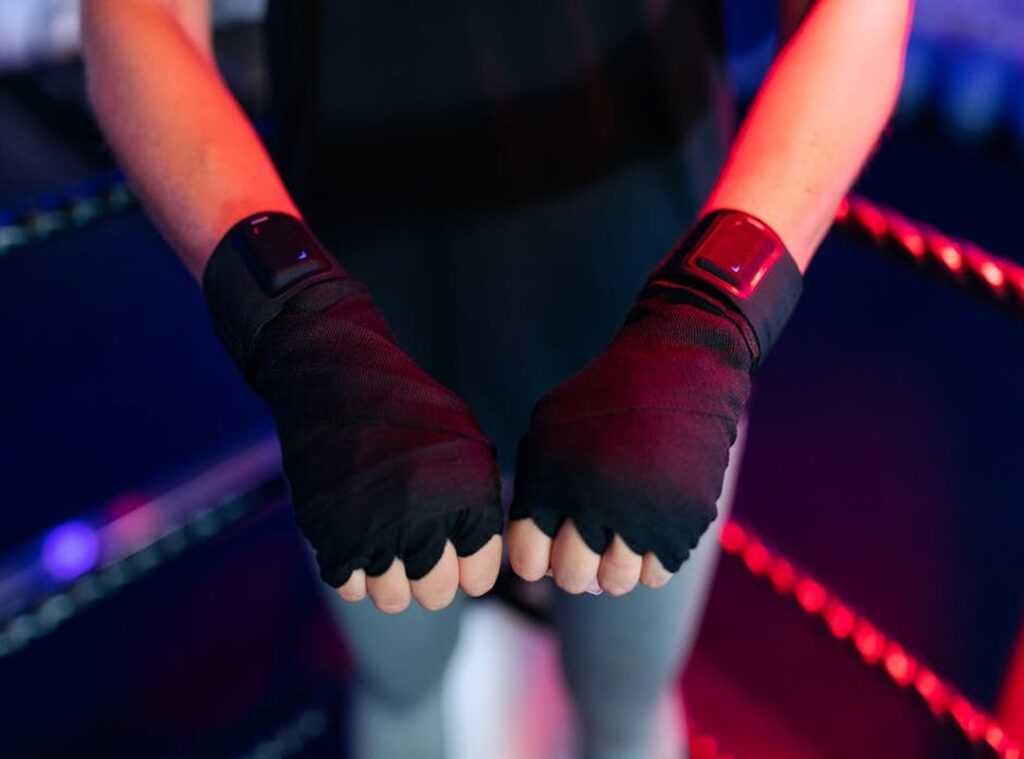
Picture this: you’re scrolling through your phone, bombarded by endless ads for fitness gadgets and apps. It’s overwhelming, right? You wonder, do these devices actually help or just clutter your life?
That’s what we’re here to solve.
Fitness should be simple. Technology isn’t magic; it’s a tool. Over the years, I’ve seen technology in fitness become more noise than help.
But it doesn’t have to be.
Let’s cut through the hype. I’ll share takeaways on building a strong wellness routine using tech the right way. We’ll focus on creating a smarter, more effective workout plan.
You’ll find clarity here, backed by solid fitness principles and functional training wisdom. By the end, you’ll know which tools genuinely support your goals, not just track numbers.
Smarter Fitness: Beyond Tracking
When it comes to technology in fitness, most people think of it like a glorified pedometer. But why stop there? It’s time to ditch passive data collectors and embrace tech that actively helps us improve.
Imagine a smartwatch that counts steps but also corrects your form during a squat. Now that’s tech with a purpose.
Let’s dig into this. We’ve got two categories: “Passive Data Collectors” and “Active Improvement Tools.” Think of the former as a car’s odometer, just tracking miles. Basic smartwatches fall here.
They count steps, maybe track sleep, but they don’t push you forward. You know the type (they) sit on your wrist, silently judging.
On the other hand, “Active Improvement Tools” are like GPS for your workouts. They’re guiding, correcting, and helping you make progress. Take form-correcting sensors, for example.
They’re not just watching; they’re coaching. Or consider smart-scaling strength equipment. These adjust the weight based on your performance.
It’s like having a personal trainer embedded in the machine.
Why is this distinction key? Because if you’re serious about fitness, you need tools that do more than just collect dust and data. You need feedback that’s actionable.
It’s about shifting from mindless tracking to mindful training.
This is where fitness becomes big. It’s not just about numbers on a screen. It’s about how those numbers translate into real-world improvements.
Want a deeper dive? Check out our fitness through ages historical overview. A little history can give context to these modern marvels.
Let’s redefine what “smart” really means in fitness.
The Core Four: Tech Behind Your Fitness Foundation
When it comes to building a solid fitness foundation, you can’t just wing it. Trust me. I’ve been there.
The right technology in fitness can be a game-changer.
Pillar 1: Intelligent Strength & Conditioning. Remember when dumbbells were just dumb? Now they’re smarter than your average gym bro (no offense, gym bros). Adjustable dumbbells and resistance systems are revolutionizing how we train. They offer real-time feedback on form and help us hit that sweet spot called progressive overload. You know, where muscles actually grow. Why guess when you can know exactly what you’re lifting and how you’re doing it? It’s like having a personal trainer in your pocket.
Pillar 2: Data-Driven Endurance. Forget about just tracking distance. That’s old school. Today, we’ve got heart rate variability (HRV) and zone training data from wearables. This stuff lets you improve cardio workouts and dodge the dreaded overtraining. Who knew your heart could be so chatty? It’s telling you exactly when to push harder and when to chill. Check out 8 types of fitness technology redefining the … for more takeaways.
Pillar 3: Guided Mobility & Flexibility. Stiff as a board? Same. There are apps and devices that guide stretching routines and assess mobility. They track your improvements over time, proving that yes, you can actually touch your toes someday. It’s like yoga but with receipts.
Pillar 4: Proactive Recovery. If you’re not into recovery, you’re missing half the game. Percussion massagers and compression sleeves are important, not just fads. And don’t even get me started on advanced sleep trackers. They make sure your muscles repair while you dream about running marathons. Sustainable momentum? It’s not just a buzzword.
So, these aren’t just gadgets. They’re your new fitness besties. Let’s get techy, shall we?
The Human Element: Using Tech Without Becoming a Robot
Ever feel like you’re drowning in data? With technology in fitness, it’s all too easy to get overwhelmed by numbers and forget the whole point: moving your body. Here’s the deal.

You don’t want to turn into one of those people who’s more robot than human.
Start with tech as your guide, not the boss. Your gadgets can confirm how you feel, but shouldn’t dictate it. I’ve looked at my smartwatch’s heart rate variability (HRV) and thought, “Yeah, I’m genuinely exhausted.
Maybe a light jog today instead of a marathon session.” Trust your body’s cues. If your data matches how you feel, great. If it doesn’t, maybe it’s tech that’s off.
Because let’s be real, sometimes it is.
Then, there’s the art of unplugging. We all need it. Scheduling ‘unplugged’ workouts can save your sanity.
Ditch the devices and just enjoy the movement. Feel your breath, your heartbeat, the ground under your feet. Without tech, you’ll strengthen your mind-body connection.
You know you need that.
And focus. Pick one metric. You’re not a machine that can juggle a dozen goals at once.
Say you want to sleep better. Then just monitor sleep for a month. You can avoid spiraling into a data overload that way.
Knowing about Unexpected Fitness Facts Worth Knowing can help you see tech in a new light. Yeah, we use gadgets to track progress, but it’s about enhancing our workouts. Not complicating them. , we own the tech, not the other way around.
So let’s not trade being human for the convenience of a few numbers.
What’s Next? The Future of Truly Personal Fitness Technology
I’ve got strong feelings about the future of fitness tech. It’s not just more buzzwords. Real breakthroughs are coming, like non-invasive biomechanical sensors.
Imagine this: sensors that provide real-time feedback on complex movements like squats or swings. Game changer, right? They won’t just measure steps or heart rate anymore.
They’ll dig deep into how you move and even correct your posture.
Then there’s AI coaching. Forget generic advice. We’re talking truly personalized plans based on your unique movement patterns, recovery status, and goals.
It’s like having a personal trainer in your pocket that’s actually paying attention.
But wait, there’s more. (I had to say it.) Technology in fitness is also moving outdoors. We’re seeing tech that encourages us to get back to nature. It integrates with real-world activities instead of keeping us glued to screens.
Why sweat it out under fluorescent lights when you can have a guided workout in a park?
Pro tip: Always be skeptical of new gadgets, but don’t let that stop you from exploring. The space is changing fast. These advancements aren’t just cool; they’re practical and could redefine how we approach fitness.
The future looks promising, and I can’t wait to see where it takes us.
Raise Your Workout with Smart Tech
Feeling lost in a sea of options? I get it. The best technology in fitness isn’t about flashy gadgets.
It’s about tools that genuinely boost your core strategies. You’ve now got a clear system to make choices that prioritize real, functional strength over just numbers. So here’s my challenge for you: carve out 10 minutes this week.
Look at your fitness routine honestly. Is there a part where the right tech could help? Trust this approach.
It focuses on long-term gains, not just short-term data. Take that step. You’ll thank yourself later.