
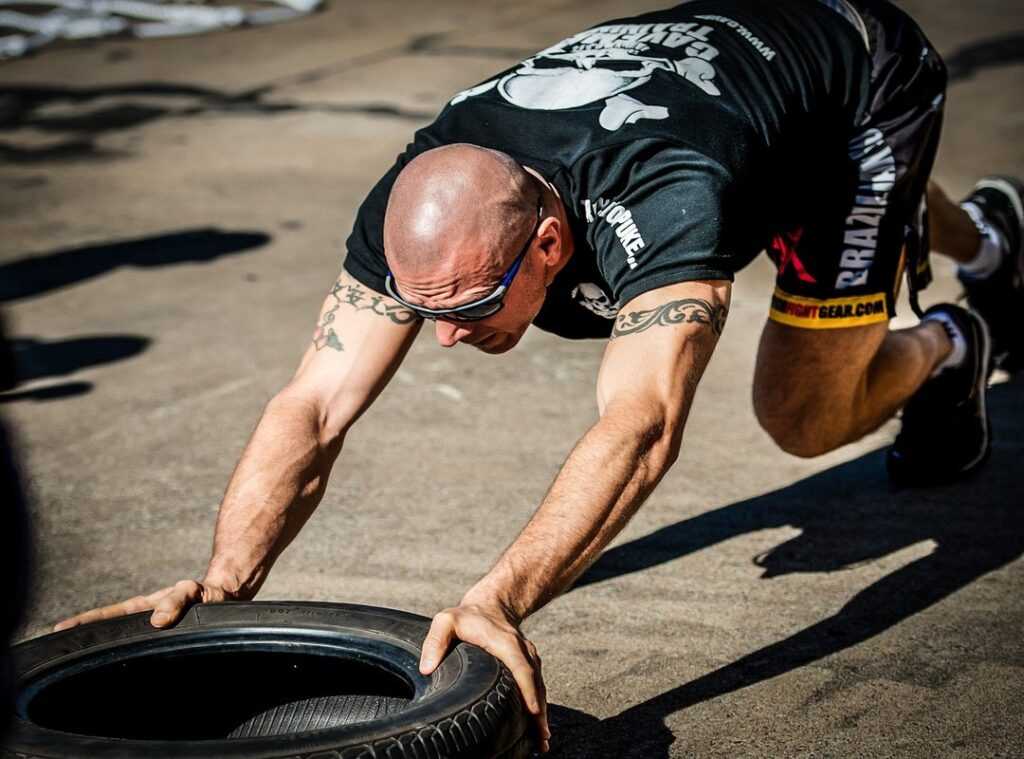
You ever wonder why your workouts aren’t giving you the results you want? Maybe the problem isn’t intensity but technique. I’ve been there, pushing through routines that end up feeling pointless. functional training techniques come into play.
It’s not just about lifting heavier or running faster. It’s about moving smarter. You want training that mimics real-life activities, right?
Stuff that actually makes a difference when you’re not at the gym.
Functional training isn’t just a buzzword. It’s a game-changer. You’ll find it helps with everyday tasks (ever struggled with carrying groceries?), giving you strength and flexibility.
I know some of you are skeptical, thinking, “Does this really work?” It does. Trust me, we’ve delved into expert takeaways and practical advice to guide you through this. This article will break it all down.
You’ll walk away with valuable strategies to transform your routine. Ready to level up your game? Let’s get into it.
The ‘Secret’ Ingredient: Why Most Workouts Fail (and How Yours
You’ve probably heard it before: the method is only part of the puzzle. Yet, so many workouts miss the mark. Why?
Because they overlook the real backbone of success. It’s not just about fancy moves or the latest trend. It’s about principles.
Those simple, solid guidelines that shape your fitness journey.
First up, consistency. Let’s be real. The best workout is the one you can stick with.
You know it’s true. A simple routine done three times a week beats that “perfect” plan everyone raves about but you only do once a month. It’s about showing up, even when Netflix is calling your name.
Then there’s progressive overload. Sounds complicated, right? But it’s just a way of saying your body needs challenges to grow.
Add a rep, throw on an extra pound, or cut down that rest time. Small tweaks, big changes. Think of it like leveling up in a game.
Who doesn’t love that?
And let’s not forget the mind-muscle connection. This one’s a game-changer. It’s about focusing on the muscle you’re working. (Yes, you can think your way to better biceps.) When you tune in, you make sure the right muscles are doing the work.
It’s like putting your brain in your biceps. Cool, huh?
These principles? They’re the secret sauce. They turn good workouts into great ones.
Want to dive deeper into how these fit into functional training techniques? You can learn more about their benefits in this guide. Remember, it’s not just about the moves.
It’s about the mindset. And the magic happens.
Build Your Strongest Self: Functional Strength Training
Functional strength training is a game-changer. It’s about moving like you do in real life. Ever think about how you twist to grab something off a high shelf or squat to pick up a toddler?
That’s functional. It’s training that makes these actions effortless (well, almost). Unlike machines that isolate muscles, functional training techniques engage multiple muscles and joints.
It’s more natural, more effective.
So what’s functional strength training look like in action? Picture functional fitness explained with some real-life moves. Let’s start with goblet squats.
Think of them as practice for lifting heavy grocery bags or a squirming child. You hold a weight close to your chest, squat down, stand back up. It’s as simple as it sounds and strengthens your lower body like nothing else.
Next, consider farmer’s walks. Grab two weights, one in each hand, and walk. Sounds basic, right?
But this move builds serious grip strength and core stability. It’ll help you carry just about anything like a pro. Then there’s the good old push-up.
Got variations? Of course. Whether you’re a beginner or a pro, you can adjust this exercise to fit.
Push-ups build upper-body strength for those everyday tasks. Like pushing a stubborn door open.
Finally, think about bent-over rows. This one strengthens your back muscles, which we all need for better posture and any pulling movements. Imagine how your body thanks you for preventing back pain with this exercise.
Are you seeing how functional training techniques support real life? It’s not just about looking good (though that’s a perk). It’s about training your body to handle whatever life throws at you.
These exercises are foundational, and they work across fitness levels. Dive in and build a body that’s capable and resilient.
Metabolic Conditioning: High-Speed Fitness
Metabolic conditioning (MetCon) is more than a workout. It’s a revolution. In my experience, no other fitness approach can whip you into shape faster.

The secret sauce? Short, intense bursts of activity with minimal rest. These “momentum moments” aren’t just catchy buzzwords.
They’re the heart of MetCon’s effectiveness.
Why does MetCon work so well? It targets your energy systems directly. You’re not just burning calories during the workout; you’re revving up your metabolism to keep torching them afterward.
It’s functional training techniques at their finest. You get fit fast and stay that way. (Sounds like a dream, right?)
Here are two MetCon workouts to kickstart your journey.
First, the 15-Minute AMRAP (As Many Rounds As Possible). Picture this: a simple circuit of 10 kettlebell swings, 8 burpees, and 6 air squats. No fluff.
Just pure sweat. The goal is clear: complete as many rounds as you can in 15 minutes. It’s brutal (in the best way).
Then, there’s the 30/30 Interval. This structure is genius in its simplicity. Work for 30 seconds, rest for 30 seconds.
Repeat. Exercises like battle ropes, stationary bike sprints, or high knees keep your heart racing. It’s straightforward but effective.
I’ve often pondered if MetCon could be the future of fitness. Is it just a trend or a lasting shift? As we embrace these fast, solid methods, it’s easy to see why they connect.
To really grasp the depth of these workouts, understand functional training myths reality. Don’t just take my word for it. Feel the momentum.
It’s big.
Smart Recovery: The Secret Weapon
You know what’s missing in most workout plans? Recovery. It’s not just taking a break; it’s an important part of training.
Too often, people ignore the importance of smart recovery and mobility work. But why skip something that improves your range of motion, prevents injury, and makes workouts more effective?
Here’s the kicker. Recovery isn’t about lounging on the couch. It’s about active engagement.
I can’t stress enough how a 10-minute post-workout cooldown can change everything. Focus on stretching your hips, hamstrings, and chest. It sounds simple, but these are the functional training techniques that keep you in the game.
And let’s talk about sleep. People overlook its power. Sleep is where muscle repair happens, and hormones get their act together.
It’s the ultimate recovery tool. You can’t cheat your way around it. Think of sleep as non-negotiable if you’re serious about progress.
Pro tip: prioritize your sleep environment. Make it as comfortable and distraction-free as possible. You might be asking, “Does this really matter?” Believe me, it does.
Recovery and mobility are not just add-ons; they’re game-changers. So next time you plan your workout, include recovery. It’s the unsung hero in functional training techniques.
Find Your Fitness Groove
Feeling lost in the chaos of endless workout trends? You’re not alone. Real results come from building a solid base with functional training techniques, not from chasing the latest fads.
Consistency is your true ally here. Stick to these core principles and watch your progress unfold.
Here’s the challenge: pick one functional movement from this article and practice it twice this week. No need for complexity. Just take that small step.
It’s that simple. Ready to break free from ineffective routines? Dive into a method that works.
Start today. Your new fitness journey is just one action away.