
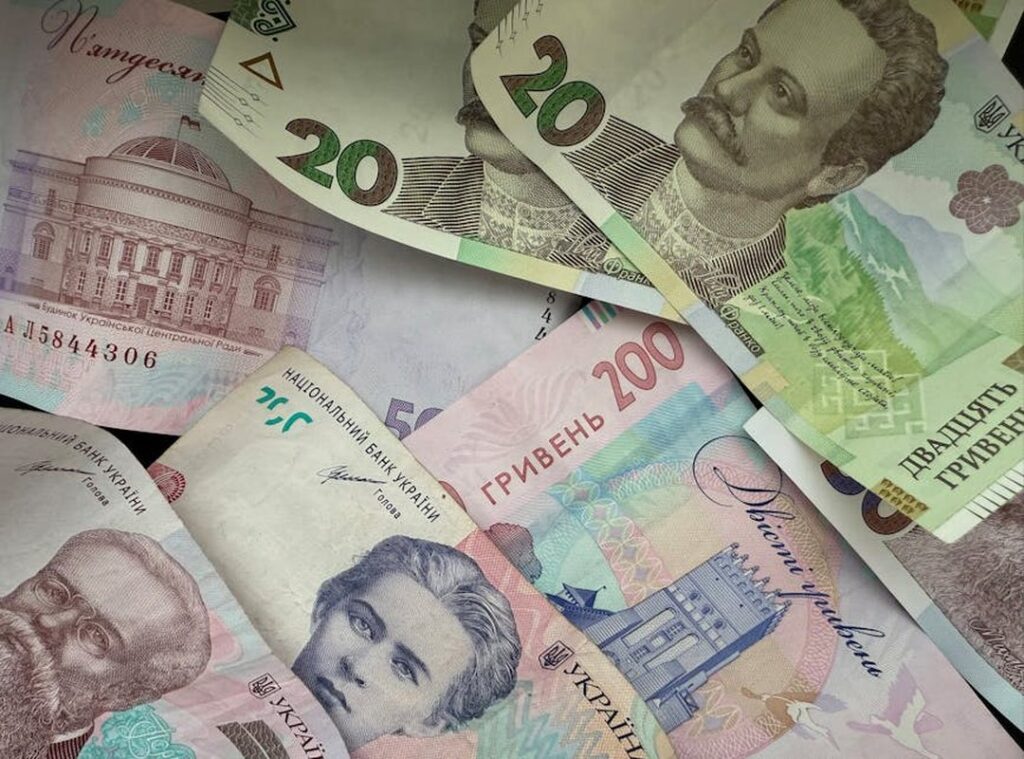
Ukraine is often called the ‘breadbasket of Europe’ for a good reason. It’s home to some of the world’s most fertile land, known as chernozem or black soil. But right now, there’s a huge conflict going on.
This war brings unprecedented risks to what could be a goldmine for investors.
I’m here to give you a clear-eyed, realistic analysis of the Ukrainian agricultural real estate market. If you’re thinking about long-term investment, you need to understand the complexities. We’ll cut through the headlines and dive into the legal framework, current market dynamics, and key factors that will shape the future.
In this high-stakes environment, deep understanding isn’t just nice to have—it’s essential.
Understanding the Post-2021 Land Market Reforms
For decades, a land moratorium prevented the sale of agricultural land in Ukraine, stifling its economic potential. This restriction was a major hurdle for the country’s development.
In 2021, a landmark legislation changed everything. It introduced a phased approach, initially allowing Ukrainian citizens to buy and sell land. This was a big step forward.
Now, let’s talk about the current rules. Individuals can own up to 100 hectares of ukrainian ls land. Legal entities, on the other hand, are still not allowed to own agricultural land.
Foreign ownership is a hot topic, and currently, there are strict restrictions. A referendum might be on the horizon, but it’s not set in stone yet.
The timeline is uncertain, and that adds to the complexity.
This legal shift is crucial. It created a formal market for an asset class that was previously locked. Investors now have a clear path, and that’s a game-changer.
Initially, the reforms had a positive impact. Land prices and transaction volumes saw a boost. But then, the full-scale invasion altered the landscape.
It’s a reminder that external factors can quickly change the dynamics.
Understanding these reforms is key. They set the stage for future investments and growth.
Navigating Investment Risks and Opportunities Amidst Conflict
Investing in conflict zones is a high-stakes game. Physical security threats are real, especially if you’re near the action. Proximity to conflict zones means constant danger, and demining can take years.
Logistical and infrastructure challenges add another layer of complexity. Damaged ports and disrupted supply chains make it hard to move goods. You might end up relying on less efficient overland routes, which can eat into your profits.
Legal and administrative risks are also a big deal. Title verification in regions with disrupted registries can be a nightmare. And let’s not forget the uncertainty surrounding land in temporarily occupied territories.
It’s a legal quagmire.
But here’s the flip side, and there are opportunities too. Asset valuations are significantly depressed compared to pre-war levels.
This means you can find some great deals. For example, ukrainian ls land might be a fraction of what it was worth before the conflict.
The concept of ‘reconstruction upside’ is worth considering. Post-conflict recovery, often funded by international aid, can lead to rapid appreciation in land and infrastructure value. It’s like buying low and waiting for the market to bounce back.
And then there’s the resilience of the agricultural sector. Despite the chaos, it has continued to operate and export. This shows a strong foundational capacity and a potential for long-term growth.
So, while the risks are significant, the opportunities can be substantial. It’s all about weighing those factors and making informed decisions.
Key Factors Driving Value in Ukrainian Farmland
When it comes to Ukrainian farmland, the conflict might grab all the headlines, but let’s get real. The core fundamentals of agricultural real estate valuation are what truly matter.
First up, soil quality, or as they call it, the ‘bonitet’ score. This little number can make or break your crop yields. Imagine trying to grow a garden in a sandbox—yeah, not happening.
Good soil means good crops, and good crops mean more money in your pocket.
Now, location, location, location. It’s like the real estate mantra, but for farms. Land in western and central regions is like the VIP section at a concert.
Why? Because it’s safer and closer to EU borders, making exports a breeze. Plus, you get that extra security, which is a big deal these days.
Infrastructure is another key player. Think about it: if you don’t have access to irrigation, grain silos, road and rail networks, and electricity, you’re basically running a farm in the Stone Age. Modern farming needs modern tools, and having the right infrastructure can make all the difference.
Plot consolidation and the size of your land bank are also crucial. Bigger isn’t always better, but when it comes to operational efficiency, it sure helps. Large-scale operators love big, consolidated plots because it makes everything run smoother.
It’s like having a giant kitchen versus a tiny one—more space means more productivity.
The types of crops you can grow in different regions also play a big role. Some areas are perfect for wheat, others for sunflowers. Knowing what grows best where can really boost your profitability.
It’s like choosing between strength vs endurance choosing the right training focus—you need to pick what works best for your goals.
Lastly, AgTech is becoming a game-changer. Precision farming, satellite monitoring, and other high-tech solutions can help mitigate risks and maximize value. It’s like giving your farm a superpower.
So, there you have it. When it comes to ukrainian ls land, it’s all about soil, location, infrastructure, plot size, and a dash of technology. Keep these factors in mind, and you’ll be on your way to a thriving agricultural venture.
The Long-Term Outlook for Ukraine’s Agricultural Sector
Ukrainian agricultural real estate is a high-risk, potentially high-reward opportunity. It’s perfect for long-term, patient capital.
The short term is full of uncertainty, and but the long-term fundamentals are strong. Premium soil, a skilled workforce, and a strategic location make it a compelling choice.
Let’s talk about Ukraine’s EU candidacy. This could align agricultural standards with Europe, open up funding, and integrate its market more deeply. That’s a big deal.
Any potential investment here requires exhaustive due diligence. You need legal counsel and on-the-ground experts, and this isn’t a decision to take lightly.
Moving forward, the sector will play a critical role in Ukraine’s economic recovery. It’s also key for future global food security.
Ukrainian ls land, in particular, is a prime example of this potential. It embodies the risks and rewards of investing in this region.
Your Next Steps
It’s important to stay informed about the situation in ukrainian ls land. Keep following reliable news sources for updates. Consider how you can support from your position, whether through donations, spreading awareness, or other means.