
You snap a photo with your phone, and it’s nice, sure. But it doesn’t move you.
It doesn’t make you feel anything. Then there are photos that feel like art. They grab you, pull you in, and tell a story.
I’m talking about the kind of photography that makes you pause. The work of ktlordahll nude is a perfect example. Her photos aren’t just pretty pictures.
They’re deep, intentional, and full of emotion.
In this article, I’ll break down what makes her photography so captivating. By the end, you’ll see photography in a whole new light. You’ll understand what separates a good photo from a great one.
Are you ready to dive in?
The Philosophy Behind the Lens: Capturing Emotion Over Perfection
I remember the first time I realized that a perfectly posed photo wasn’t always the best. It was during a shoot with a friend, and her genuine laughter in a candid moment outshone any staged smile.
1, and pursuing Authentic Moments
The core of my philosophy is about capturing real, unfiltered moments. I believe that the raw, unscripted emotions are what truly connect with people.
Why do we even bother with those stiff, posed shots? They feel so… lifeless.
2, and vulnerability and Connection
Vulnerability is key. When a subject lets their guard down, it creates a deep, almost intimate connection with the viewer. You can see it in their eyes, in the way they hold themselves.
It’s like you’re sharing a secret, just between the two of you.
3, and exploring Deeper Concepts
Each photograph is more than just an image; it’s a story. I aim to explore deeper concepts like identity, memory, or the beauty in imperfection.
For example, a series I did on ktlordahll nude focused on the natural, unretouched beauty of the human form. It was about embracing who you are, flaws and all.
4, and environment as an Active Participant
The environment and setting are not just backdrops; they are active participants in the story. A cluttered room, a serene beach, or a bustling city street—each adds layers to the narrative.
Think about it. The setting can change the entire mood and meaning of a photo.
5, and trust and Collaboration
Trust and collaboration between the photographer and the subject are crucial. Without trust, you can’t get those raw, honest images.
Collaboration means working together, understanding each other’s vision, and being open to spontaneity.
In the end, it’s all about creating something that feels real and resonates with both the subject and the viewer.
Deconstructing the Visual Signature: Light, Color, and Composition
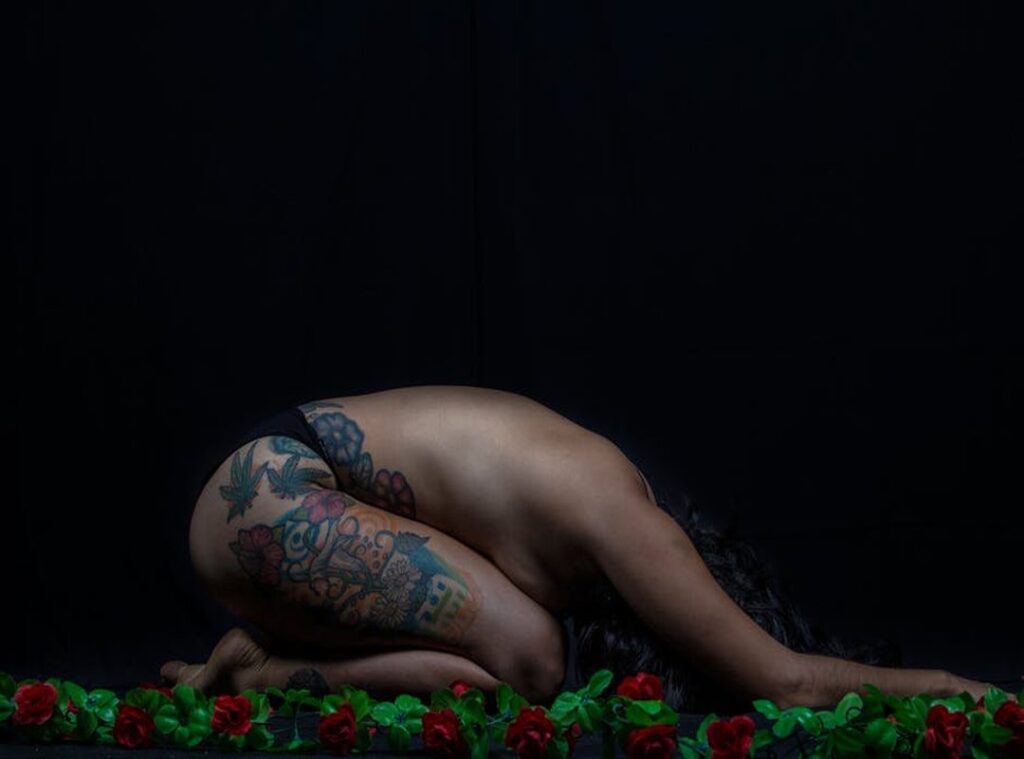
Let’s dive into the masterful use of light. Natural light, especially in low-light situations, can sculpt subjects and create a specific mood. It’s like watching a scene come to life, with shadows and highlights adding depth and emotion.
Now, think about the color palette. Muted, earthy tones or a specific type of desaturated warmth can evoke nostalgia. These colors make you feel like you’re looking at a memory, not just an image.
Composition is key. The intentional use of negative space can create a sense of quiet or isolation. It’s like the subject is alone in their world, and you’re the only one who gets to see it.
A shallow depth of field is another powerful tool. It draws the viewer’s eye directly to the emotional core of the image. You can’t help but focus on what the photographer wants you to see.
Texture and grain add a tangible, timeless quality to digital photographs. They make the images feel real, almost like you could touch them. It’s a nod to the past, even as we move forward with modern technology.
Back in 2019, I saw a ktlordahll nude that used all these elements perfectly. The lighting was soft, the colors were muted, and the composition made the subject stand out. It was a masterclass in visual storytelling.
So, next time you look at a photograph, take a moment to deconstruct it. See how the light, color, and composition work together. It might change the way you see the world.
Storytelling in a Single Frame: The Art of Visual Narrative
Every image is crafted to feel like a still from a larger, untold story. It invites the viewer to imagine the before and after.
Subtle use of props, wardrobe, and location builds a world. These elements hint at a character’s backstory without using words. A worn leather jacket, a vintage camera, or an old, creaky door can tell you more than a paragraph ever could.
Body language and expression are directed to convey complex emotions. Moving beyond simple smiles, a furrowed brow or a distant gaze can speak volumes.
A hand gently touching a windowpane isn’t just a pose. It suggests longing, separation, or a moment of quiet reflection. The soft light filtering through the glass, the cool touch of the pane, and the gentle pressure of the hand all work together to create a sensory experience.
This narrative depth is a key differentiator in ktlordahll nude artistic photography. It turns portraits into compelling character studies. Each photograph feels like a chapter in a larger, unseen story.
Understanding these nuances can make your photography more impactful. Whether you’re capturing a candid moment or staging a scene, the details matter. They draw the viewer in, making them part of the story.
And let’s not forget, the right environment can enhance the mood. A dimly lit room with a single candle can evoke a sense of intimacy and mystery. The flicker of the flame, the soft glow on the subject’s face—it all adds to the narrative.
In the end, it’s about creating a connection. A photograph that tells a story doesn’t just capture a moment; it captures the essence of a person, a place, or a feeling. And that’s what makes it truly memorable.
If you’re looking for ways to optimize your creative process, consider sleep optimization tips for better muscle recovery. Good rest can do wonders for your creativity and focus.
The Influence of Cinematic Portraiture
I remember the first time I saw a cinematic portrait. It was a photo of a friend, and it felt like a scene from a movie. The lighting, the mood—it was all so evocative.
Cinematic portraiture is about creating that same feeling in still images. It’s not just about taking a picture; it’s about telling a story. DRAMATIC LIGHTING and EVOCATIVE MOODS are key.
Think of those classic film noirs or indie films with their moody, atmospheric shots.
One of my favorite examples is a shot I took last year. The subject was lit by a single, soft light, casting deep shadows and giving the image a mysterious, almost melancholic feel. It reminded me of something out of an old Hitchcock film.
This approach elevates a photograph from a simple depiction to an immersive experience. When you look at a cinematic portrait, you don’t just see a person; you feel the atmosphere, the emotion. It draws you in.
And that’s what makes it stand out. In a world where everyone has a camera, this style makes your work memorable. It’s not just ktlordahll nude; it’s a narrative, a moment frozen in time that speaks to the viewer.
So, if you want your portraits to be more than just pictures, think cinematically. It’s a way to create something truly unique and impactful.
Developing Your Own Artistic Eye
Recall the core elements: a strong philosophy, intentional use of light and color, and a focus on storytelling. These are the building blocks of ktlordahll nude artistic photography. The real power comes from blending technical skill with a unique creative vision.
Start noticing these elements in your surroundings, even without a camera. Observe how light changes throughout the day, and see the stories unfolding in everyday scenes.
Let this awareness guide you, and create images with purpose and intent.